 Drying Technology

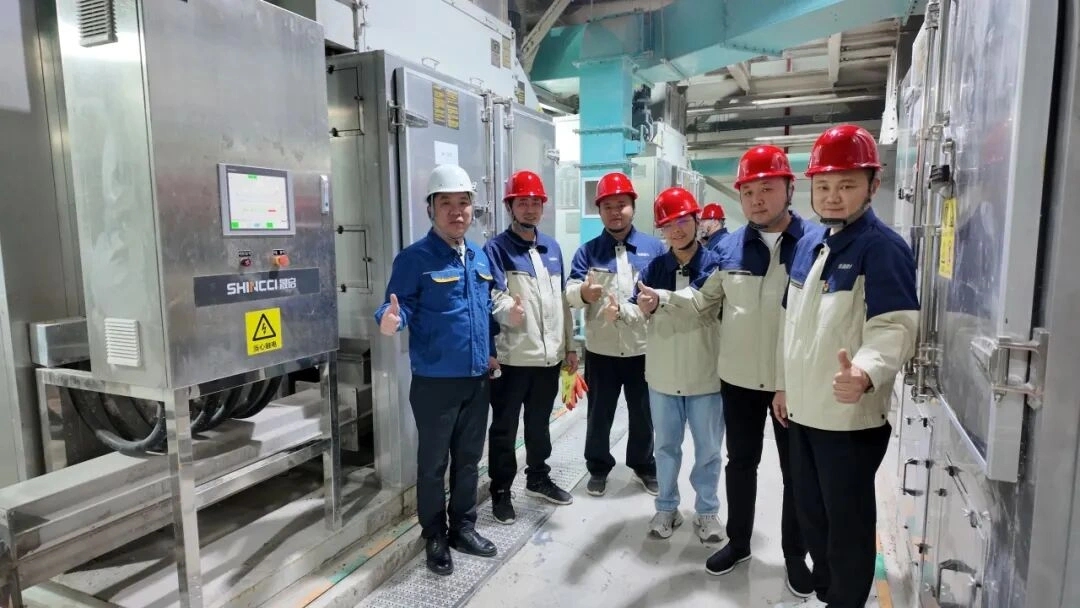
Recently, good news emerged from the Beijing urban sub-centres: our team at Shincci Group successfully commissioned seven sets of integrated multi-effect heat-recovery belt dryers at Beijing Xintong Bishui Reclaimed Water Co., Ltd..
This advanced sludge drying line, capable of treating 200 tons of sludge per day, is being hailed as a highly efficient “sludge terminator.”
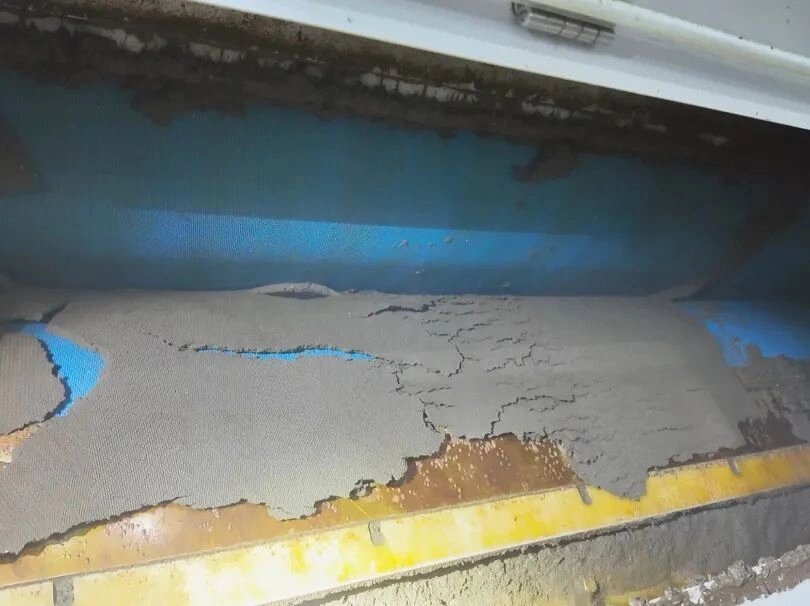
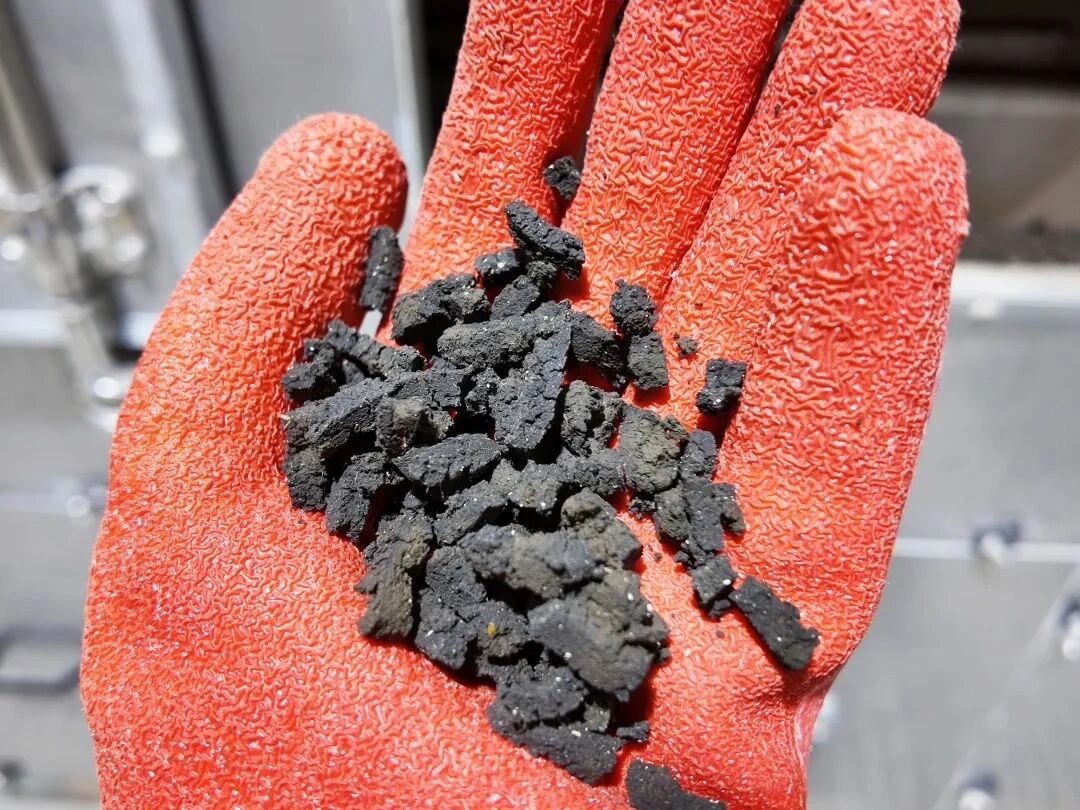
With low-temperature drying technology, it reduces sludge moisture content from 84% to around 40% in just 90 minutes — setting a new benchmark for sustainable urban wastewater treatment.
Learn more about Shincci’s sludge drying systems and our technological advantages.
Project Context & Significance——About Beijing Xintong Bishui
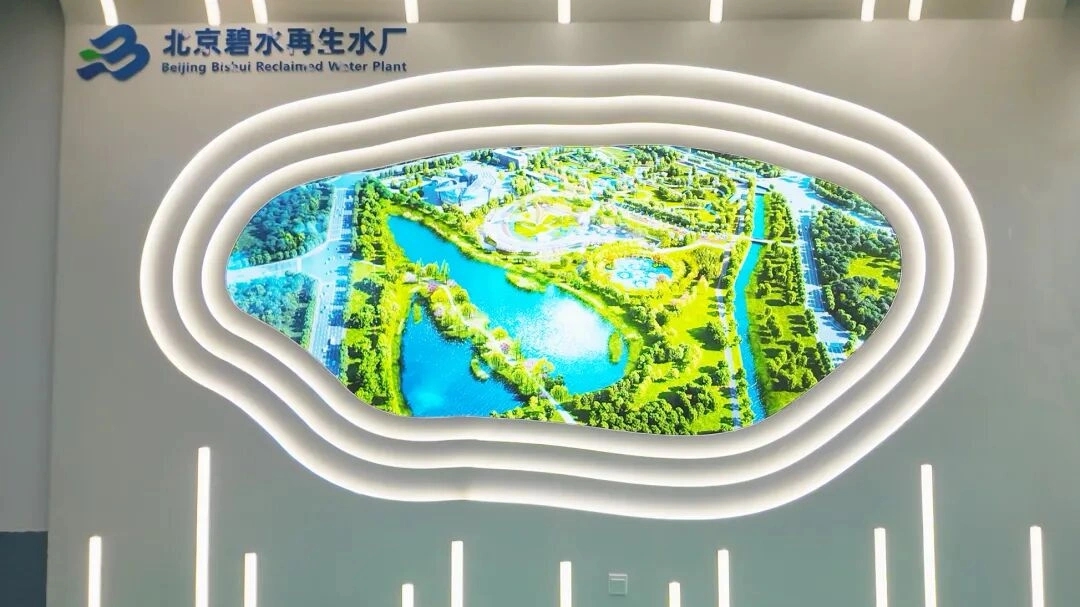
As the largest wastewater treatment plant in the Beijing sub-center, Xintong Bishui has been upgraded into a submerged-type reclaimed water plant, using the innovative “park above, plant below” model.
This design reduces land use by 66%, turning the traditional “NIMBY” (Not-In-My-Backyard) issue into a “neighbor-friendly advantage,” and handles up to 180,000 tons/day of wastewater, covering 84% of Tongzhou District’s domestic sewage.
Addressing the Core Challenges ofSludge Treatment
sludge treatment poses multiple long-standing issues:
Volume reduction: Sludge typically has a moisture content above 80%, enormous bulk, high transport cost, and limited landfill space, making “volume reduction” a top priority.
Stabilisation: The organic-rich, pathogen-laden sludge easily decays and produces odour; without proper stabilisation it causes severe secondary pollution.
Safety & energy: Traditional thermal drying often means high dust explosion risk and heavy energy consumption—safety and cost remain major constraints.
Final disposal bottleneck: The downstream value of sludge (resource recovery or harmless disposal) depends heavily on the quality of the upstream drying and dewatering process.
Project Details at a Glance
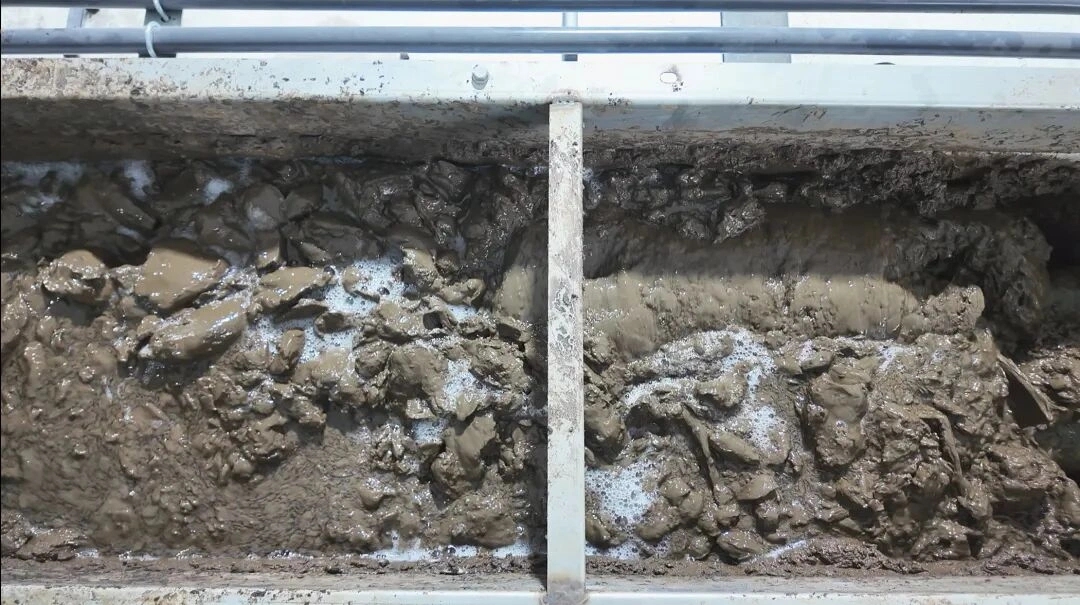
· Outgoing dry moisture: ≈40%
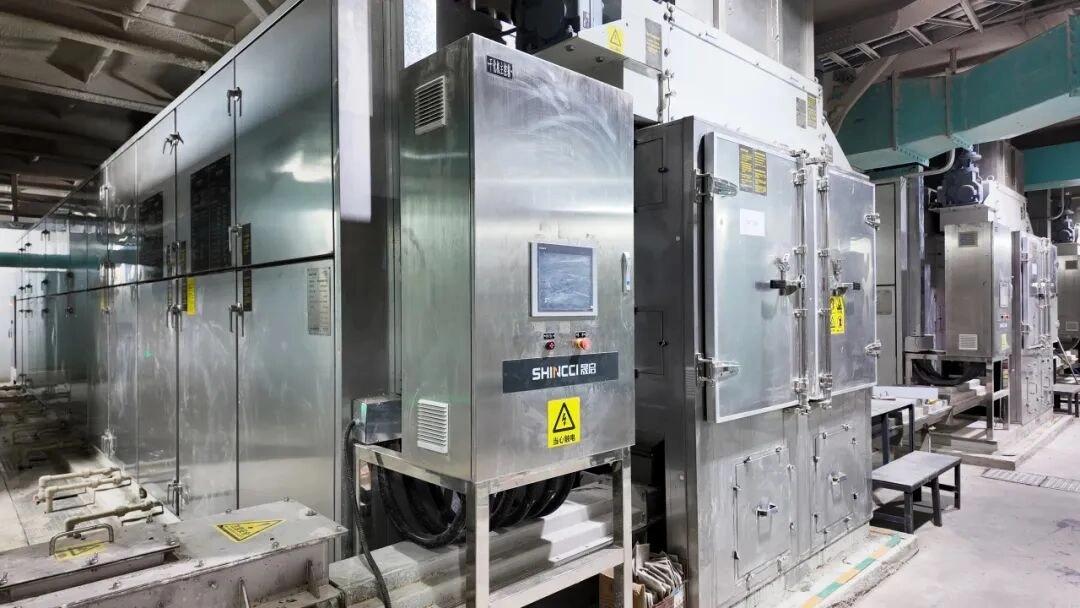
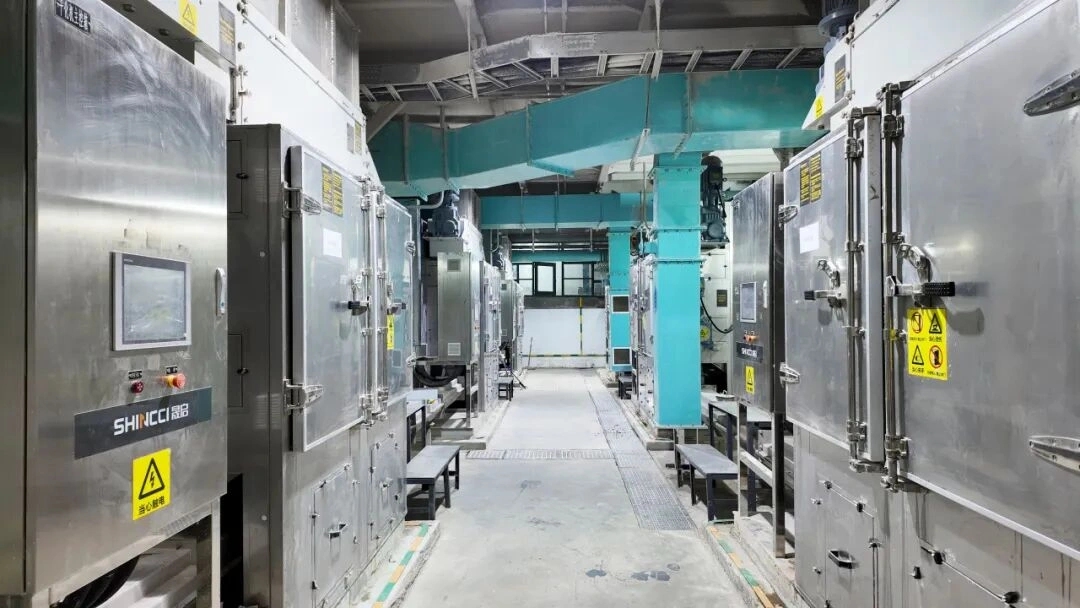
Faced with these challenges, Shincci deployed its integrated multi-effect heat-recovery belt dryer. Key highlights of our solution:
· Utilises low‐temperature drying (under 85°C) via de-humidification heat pump technology, achieving up to 40% improvement in drying efficiency.
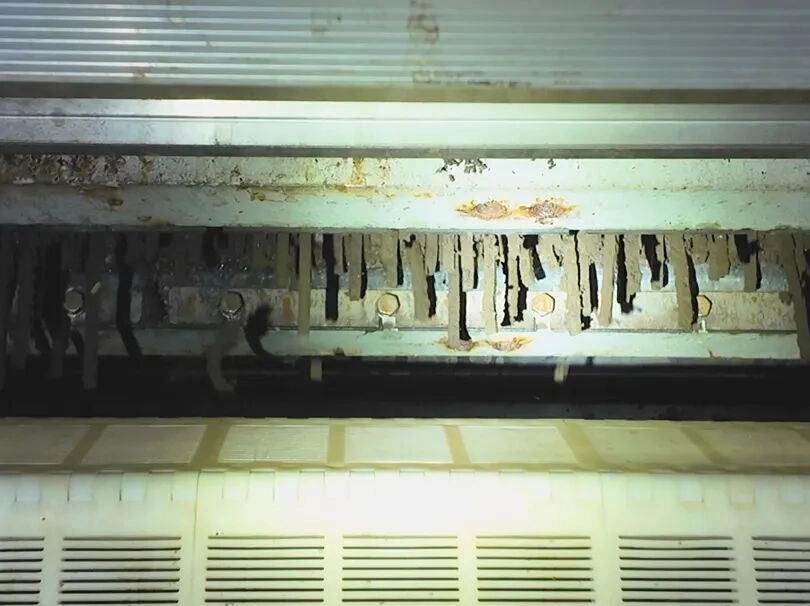
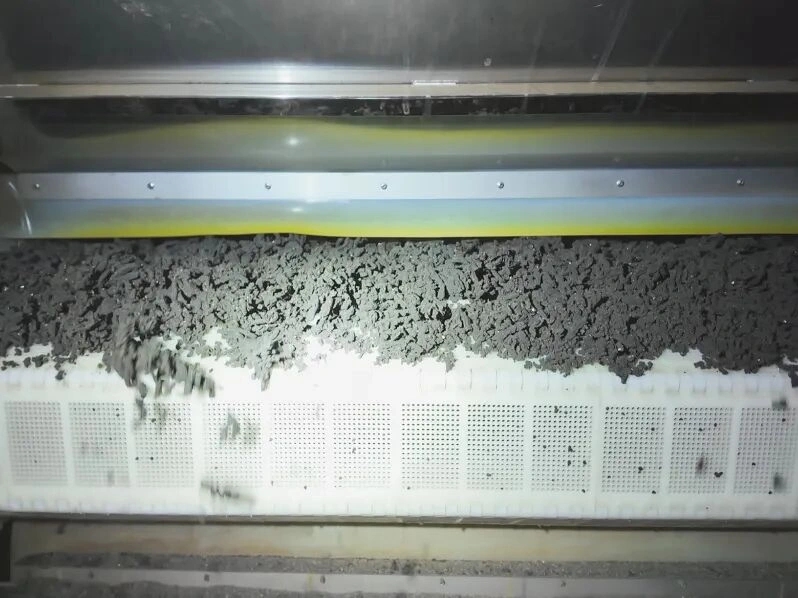
· Transforms sludge moisture from 84%+ down to approx. 40% in one pass, while simultaneously stabilising the sludge so odours and pathogens are managed from the source.
· Fully integrated design including initial dewatering, mechanical thickening, belt slicing and uniform low-temperature drying in a closed loop system—this delivers high energy efficiency, minimal footprint, and superior environmental performance.
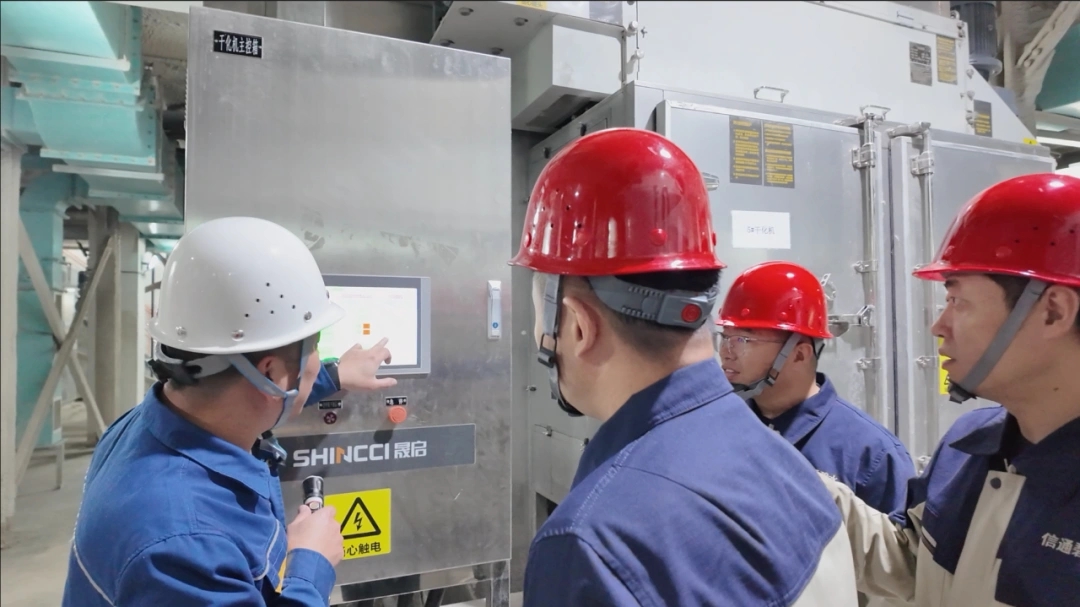
Smart Service & High-Efficiency Process for Worry-Free Operation
At Shincci, what we deliver is more than just equipment—it’s a full-service solution from design through operation:
· Expert onsite training and commissioning so you begin operation quickly and effectively.
· Highly automated equipment means “less manpower, fewer worries”.
· The process: initial dewatering via centrifuge → deep dewatering via high-pressure belt press → sludge strip-forming → uniform belt drying under closed-loop heat recovery.
· The entire line is odour-sealed, low-temperature, and land-saving, with no external odour emissions and optimal working environment.
A Key Milestone for Urban Ecology
The successful launch of this project is a direct response to the urban ecological governance challenge. With safe, efficient, energy-saving low-temperature drying technology, even difficultsludge is converted into manageable resource form. This not only reduces environmental burden but advances the circular economy of materials. For Beijing and beyond, it paves a green foundation—making environmental infrastructure the true “green lung” of city life.
Learn more about Shincci’s global case studies to see how our technology supports sustainable development worldwide.