 Drying Technology

When sludge is mentioned, many people's first reaction is "dirty" and "heavy". But this inconspicuous niche area is being transformed into a high-quality sector in the solid waste industry, with both essential demand and a clear profit path, thanks to the combined effects of policy and technology.
First, policies set clear limits, turning demand into a source of reassurance.
In the past, sludge disposal methods were crude, with landfilling being the mainstream approach. According to the "Implementation Plan for Harmless Treatment and Resource Utilization of Sludge" (NDRC Environmental Resources [2022] No. 1453) jointly issued by the National Development and Reform Commission, the Ministry of Housing and Urban-Rural Development, and the Ministry of Ecology and Environment, it is clearly required that by 2025, the harmless treatment rate of sludge in prefecture-level and above cities should reach more than 90%, and in key cities no less than 95%, while indiscriminate landfilling should be strictly restricted.
By 2026, various regions had continued to implement supporting regulatory rules, coupled with the joint liability clauses for solid waste in the Ecological and Environmental Protection Law. Compliant disposal was no longer an "optional" issue for enterprises, but a "mandatory" question concerning production. Municipal wastewater treatment plants, dyeing and printing, papermaking, and other large sludge-producing enterprises would face direct shutdowns or penalties if their disposal failed to meet standards. This policy-defined rigid demand is less affected by economic cycle fluctuations, providing a stable and predictable market foundation for practitioners.
II. Clear Resource Utilization Path: Sludge Transformed into Biomass Fuel
Against the backdrop of phasing out coal-fired boilers and increasingly stringent carbon emission controls, industrial enterprises are increasingly demanding low-cost, compliant alternative fuels. Pellet fuel, made from deeply dried sludge, has a stable calorific value (up to 2500~3500 kcal/kg) and meets environmental emission requirements, making it a viable alternative to coal in practical applications.
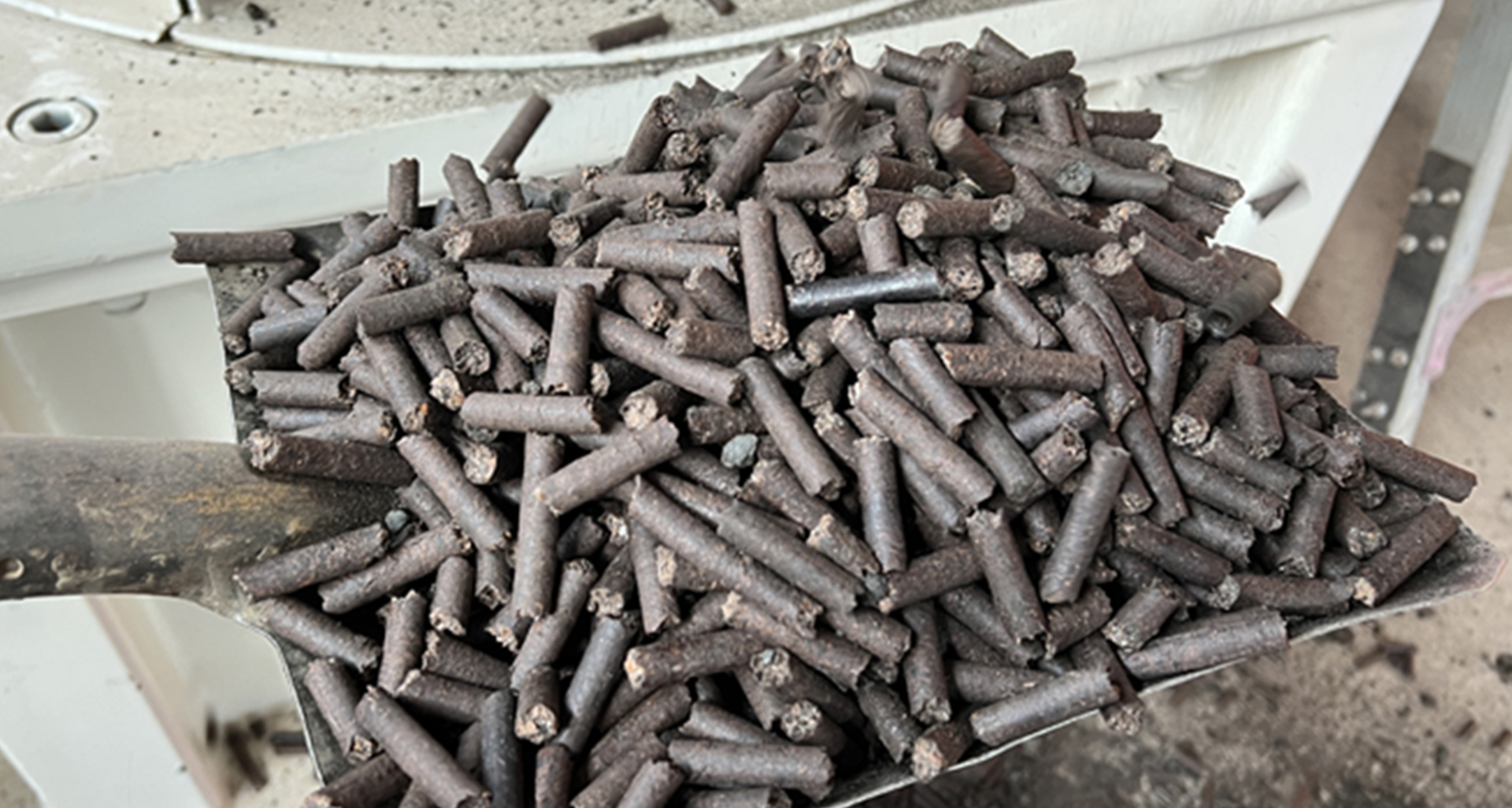
Compared to traditional clean energy sources such as natural gas, sludge fuel has a significant cost advantage and abundant raw material sources. On the one hand, it helps enterprises solve energy consumption compliance issues; on the other hand, it aligns with the major direction of pollution reduction and carbon reduction. End-market acceptance is rapidly increasing, and the dual revenue model of "disposal fees + fuel sales" is ready for large-scale replication .
III. Technical support for implementation, making resource utilization truly controllable
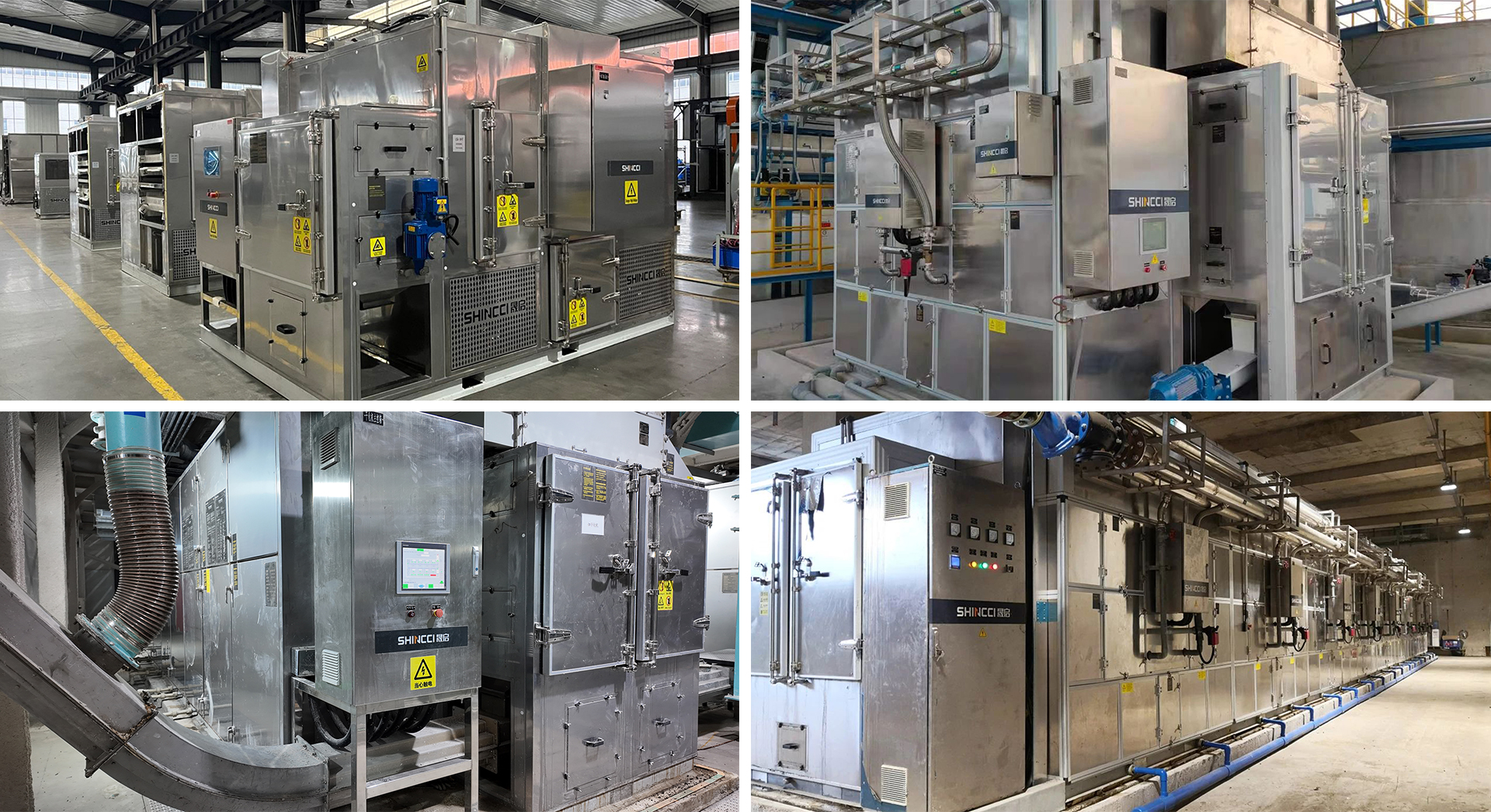
With the concepts and directions clarified, the key lies in whether the technology can be implemented stably and economically. SHINCCI Group has been deeply involved in the field of low-temperature sludge drying, and has independently developed a multi-effect heat recovery condensation dehumidification drying core process. It has launched a belt-type integrated low-temperature drying equipment, which is specifically adapted to various solid wastes such as municipal sludge, printing and dyeing sludge, and papermaking sludge. It can complete the sludge reduction, stabilization, and harmless pretreatment in one stop, laying a solid foundation for subsequent biomass fuel production.
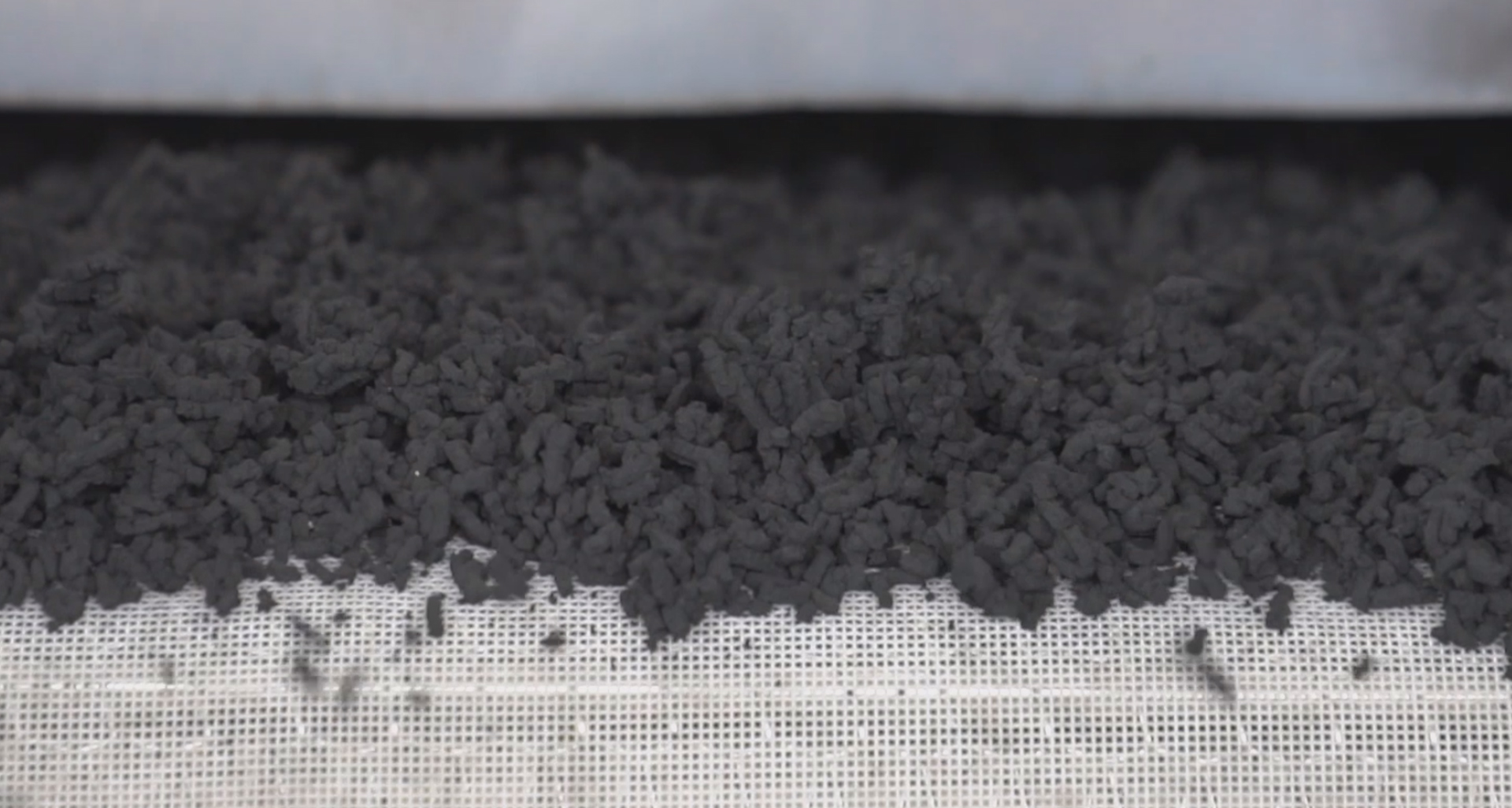
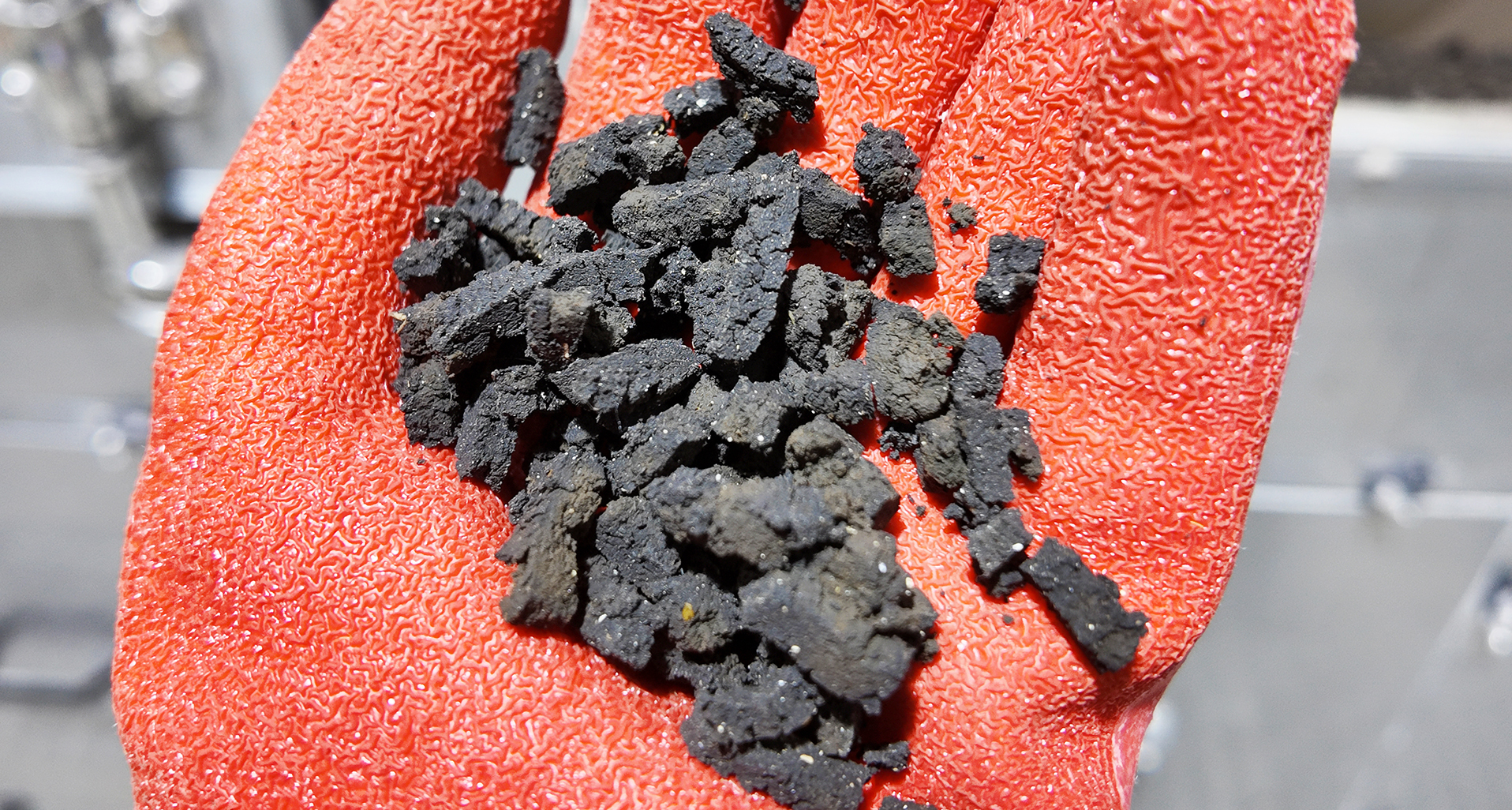
Currently, SHINCCI low-temperature sludge drying production line has been put into operation in industrial parks in Beijing, the Yangtze River Delta, and other locations, covering municipal sewage treatment plants, dyeing and printing industrial parks, and paper mills, with projects capable of processing tens to two hundred tons of sludge per day and operating stably . The low-temperature drying equipment operates in a low-temperature environment of 40-75℃, ensuring high safety and eliminating the risk of dust explosions. Simultaneously, through a multi-stage heat recovery system, unit energy consumption is reduced by more than 50% compared to traditional thermal drying , significantly reducing operating costs. The drying moisture content is adjustable, and the calorific value of the dried sludge is uniform and stable , resulting in stable and controllable quality of the finished fuel. The entire process ensures that exhaust gas and waste residue emissions strictly meet standards, guaranteeing long-term compliant operation of the project and providing customers with tangible profit margins.
Conclusion
The sludge treatment industry has high policy barriers, a clear inelastic demand, and relatively mature technologies. For companies or investors looking to enter the solid waste sector, this is a direction worth careful consideration, but it's by no means a guaranteed success. Actual profitability depends on various factors such as local disposal fee policies, fuel sales channels, environmental impact assessment approvals, and transportation costs. A window of opportunity exists, but rational evaluation and steady progress are crucial.