 Drying Technology

Key words:sludge treatment ,Urban Wastewater Treatment
The sludge after urban domestic sewage treatment generally has a moisture content of about 80%, is rich in nutrients such as organic matter, and contains a certain amount of heavy metals and harmful substances such as viruses, pathogens, and parasite eggs. Improper disposal of sludge will cause serious secondary problems. secondary environmental pollution. At present, there are three main methods of sludge disposal abroad:
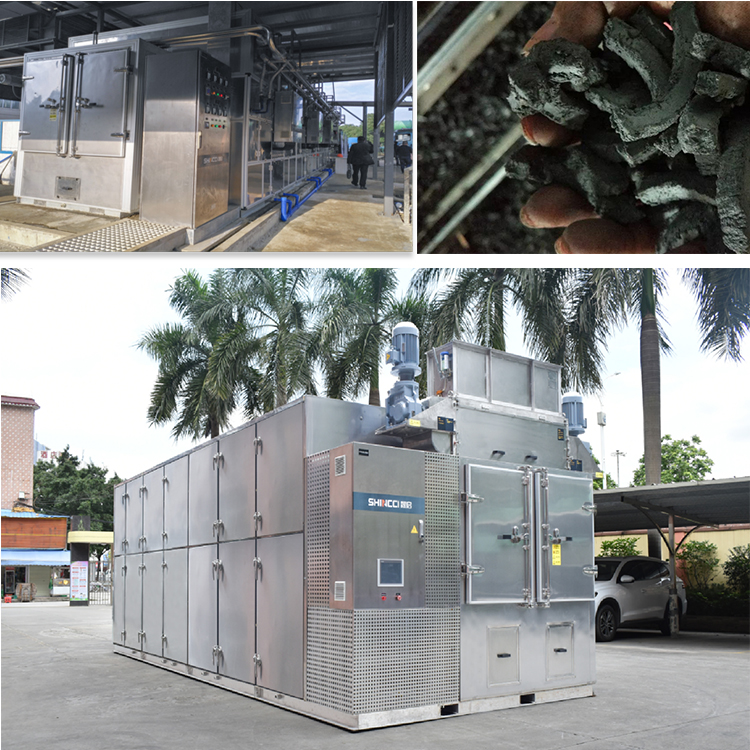
1. Land filling
In the past, many developed countries used landfill to dispose of sludge, which accounted for a large proportion (about 40%). In my country, landfill is also the main method. The treatment process of this method is very simple, and it is especially suitable for sludge of poor quality, but it requires a site and a large amount of freight, and the foundation needs to be treated with anti-seepage to avoid polluting the groundwater and dissipating odor. In addition, the land suitable for filling decreases year by year. The U.S. Environmental Protection Agency estimates that in the next 20 years, 5,000 of the 6,500 landfills in the United States will be closed, and some states will have no more space for stacking.
2. Abandon the ocean
In some countries and regions near the sea, large-scale sewage treatment plants often directly discharge liquid sludge into the sea or directly throw dewatered sludge into the sea. This is a convenient and economical method of disposal, but it can harm marine ecosystems and the human food chain, causing harm on a global scale. The dumping of sludge into the ocean was banned in the United States in 1988, and it was completely banned in 1991. The European Community promulgated "Directive Concerning Urban Wastewater Treatment" in May 1991 and pointed out that from December 31, 1998, sludge should not be disposed of in water bodies.
3. Incineration
In Europe and the United States, the incineration method is often adopted when the content of heavy metals or other toxic substances in the sludge is high and is not suitable for agricultural utilization. After the sludge is incinerated, sterile, odorless inorganic residues are produced, and the volume is greatly reduced. It is a reliable and effective sludge disposal method. Sludge incineration ash can be effectively used in construction materials such as asphalt fillers and lightweight substrates, such as the main raw materials for making bricks. The heat from the combustion can be used to supply electricity. However, the equipment and operation costs of the incineration method are expensive, and it is easy to cause air pollution. There are still about 1/3 of the solid weight of the waste, which remains in the form of ash.
However, none of the above disposal methods can realize the comprehensive utilization of sludge, there are certain social and environmental problems, and they are not the best way to dispose of sludge. For a developing country like our country, comprehensive utilization, especially agricultural utilization, is undoubtedly a better choice, to realize the effective utilization of sludge, turn waste into treasure, make it a resource and generate economic benefits, which will become the most important part of sludge disposal. Direction of development.